Featured
An Unbiased View of Medical Debt How Housing Counselors H...
The Main Principles Of What to Understand During the Bank...
The Single Strategy To Use For Reviewing Bankruptcy Couns...
Indicators on Market Developments in What to Expect from ...

Some Ideas on Long-Term Impact on Your Credit Rating You Should Know
Table of Contents
That releases up cash in the short-term, and you may have three to 4 years to conserve towards the negotiation amount. Really dangerous to credit report scores, mainly due to missed out on payments and an unfavorable "resolved" mark that might remain on your credit score report for as much as seven yearsMay be just choice if other choices (financial obligation consolidation, equilibrium transfer bank card, financial obligation forgiveness) aren't possibleTypically needs a charge to the 3rd party, which might balance out some or all of the cost savings from debt settlementMay aid you avoid insolvency if you have actually missed several paymentsNot all lenders deal with financial debt negotiation firms Financial debt mercy might be ideal for you if you are experiencing a monetary difficulty that makes it almost difficult to pay down your financial obligation equilibriums.
With a DMP, you make one monthly repayment to the credit therapy company. Those funds are after that distributed to financial institutions of your unprotected financial obligations, such as bank card and installment car loans. The company works with your lenders to lower rates of interest or waive fees, however some financial institutions might decline such concessions.
It can aid you pay down financial obligation if you're able to secure a car loan price that's lower than the typical rate of the accounts you're settling. You need to abstain from racking up financial debt on those freshly gotten rid of accounts or your financial debt could expand also higher.
That gives you lots of time to remove or significantly decrease your equilibrium while making interest-free settlements.
The 9-Minute Rule for How Hesitating Your Debt Problems Causes Things Worse
You might need it if your financial institution or a debt collection agency ever tries to collect on the debt in the future. The letter could verify you do not owe what the debt collector's documents show. Yes, in most cases, the internal revenue service considers forgiven financial obligation as gross income. When a loan provider forgives $600 or more, they are called for to send you Form 1099-C.
Financial obligation mercy or settlement virtually always injures your credit. Anytime you resolve a financial debt for much less than you owe, it might look like "resolved" on your credit history report and affect your credit history for seven years from the date of settlement. Your debt can also drop substantially in the months bring about the mercy if you fall back on settlements.
Indicators on Why Ignoring to Seek Bankruptcy Counseling May Cost You You Need To Know
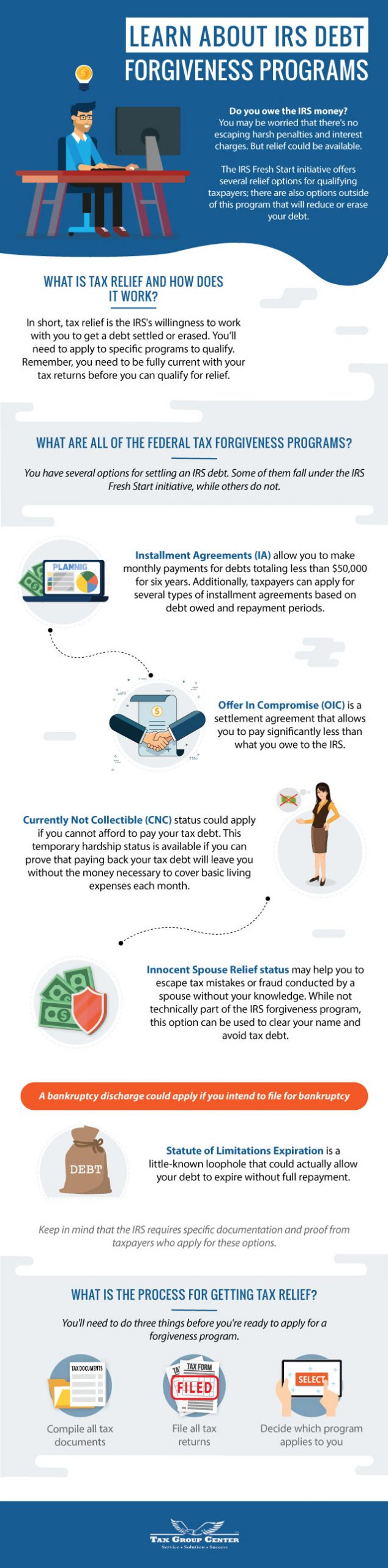
Tax obligation debt compromise programs Tax financial debt occurs when the quantity of tax obligations you owe surpasses what you have actually paid. This scenario typically results from underreporting income, not submitting returns on schedule, or disparities discovered during an IRS audit. The repercussions of accumulating tax obligation financial debt are serious and can include tax liens, which offer the internal revenue service a legal insurance claim to your residential property as safety for the financial debt.
Incomes and Financial institution Accounts IRS can impose (take) earnings and financial institution accounts to satisfy the debt. Residential property Seizure In severe cases, the Internal revenue service can confiscate and sell residential property to cover the financial obligation.
Clinical depression, anxiousness, and other mental health issues. Social Preconception Encountering lawsuit from the IRS can carry social stigma. Damage to reputation and relationships. Employment Opportunities A poor credit rating due to strain financial obligation can restrict employment possibility. Trouble finding or maintaining a work. Federal government Benefits Tax obligation debt might influence eligibility for government advantages, such as Social Safety And Security and Medicaid.
The Basic Principles Of APFSC Philosophy to Achieve Debt Freedom
The OIC considers several elements, including the taxpayer's income, expenditures, asset equity, and capacity to pay. Effectively discussing an OIC can be complex, needing a detailed understanding of the IRS's guidelines and a solid disagreement for why your offer lines up with your capacity to pay. It's essential to note that not all applications are approved, and the process requires thorough monetary disclosure.
The IRS assesses your overall financial situation, including your earnings, costs, property equity, and capability to pay. You must also be present with all declaring and settlement needs and not be in an open personal bankruptcy case. The internal revenue service also considers your compliance history, assessing whether you have a document of timely filing and paying tax obligations in previous years.
Unknown Facts About Understanding Multiple Relief Programs Offered Today
The application procedure for a Deal in Compromise involves a number of detailed steps. First, you need to finish and submit IRS Kind 656, the Deal in Concession application, and Type 433-A (OIC), a collection details declaration for individuals. These kinds need extensive economic details, including details concerning your earnings, financial debts, expenses, and properties.
Back taxes, which are overdue taxes from previous years, can dramatically enhance your complete internal revenue service financial debt if not addressed promptly. This debt can accrue passion and late repayment penalties, making the original quantity owed much bigger with time. Failing to pay back tax obligations can lead to the internal revenue service taking enforcement actions, such as providing a tax lien or levy against your residential property.
It is essential to address back tax obligations asap, either by paying the total owed or by organizing a layaway plan with the internal revenue service. By taking positive actions, you can stay clear of the accumulation of added rate of interest and penalties, and avoid extra hostile collection activities by the internal revenue service.
One common reason is the belief that the taxpayer can pay the sum total either as a lump sum or via a payment plan. The IRS likewise considers the taxpayer's revenue, costs, possession equity, and future earning potential. If these elements suggest that the taxpayer can manage to pay more than the used quantity, the internal revenue service is most likely to decline the deal.
The smart Trick of Recession That Affect How More Families Need for Professional Help That Nobody is Talking About
Dealing with IRS financial obligation can be complicated and daunting. Tax experts, such as Certified public accountants, tax obligation attorneys, or registered agents, can give important assistance.

Table of Contents
Latest Posts
/images/2025/11/17/how_does_debt_settlement_work_.png)
An Unbiased View of Medical Debt How Housing Counselors Help You Understand Your Mortgage Statement and Escrow Explained

The Main Principles Of What to Understand During the Bankruptcy Process
The Single Strategy To Use For Reviewing Bankruptcy Counseling Options to Select the Ideal Match
More
Latest Posts
An Unbiased View of Medical Debt How Housing Counselors Help You Understand Your Mortgage Statement and Escrow Explained
The Main Principles Of What to Understand During the Bankruptcy Process
The Single Strategy To Use For Reviewing Bankruptcy Counseling Options to Select the Ideal Match